.png?width=1330&height=723&name=Spring%20Mill%20(1).png)

Choosing a memory care community for a loved one living with dementia or Alzheimer’s disease is one of the most important decisions a family can make. The right setting should feel safe, supportive, respectful, and personal. It should also give families confidence that their loved one’s daily routine, preferences, and changing needs will be understood.
Bringing a clear list of questions to ask memory care community team members can make each tour more useful. This memory care checklist for families can help you compare programs, safety features, communication, and overall fit while touring specialized memory care neighborhoods in Phoenixville, PA.
1. What Training Do Team Members Receive?
Team member training is one of the first things families should ask about. Residents living with dementia need support from people who understand memory loss, communication changes, behavior patterns, and the importance of patience.
Ask how team members are trained before working with residents and how often that training continues. It is also helpful to ask whether the memory care approach is structured, research-informed, and personalized.
At Spring Mill, SHINE® Memory Care is nationally recognized by the Alzheimer’s Association® and is built on research, memory care education, and practical experience. The program emphasizes personalized support for individuals and families affected by Alzheimer’s disease, dementia, and other memory-related conditions.
During your tour, notice how team members speak with residents. Look for calm voices, eye contact, respect, and warmth. These everyday interactions can tell you a great deal about the culture of a community.
2. How Are Daily Programs Personalized?
Meaningful engagement is an important part of quality memory care. Strong programs should reflect each resident’s history, interests, abilities, and comfort level. A former teacher, gardener, artist, parent, veteran, or business owner may connect with different types of experiences.
When asking how to evaluate memory care programs, listen for answers that go beyond a calendar. Families should ask:
How life story details are gathered and used in daily programming
Whether programs are offered in smaller groups, one-on-one settings, or calm shared spaces
How team members adjust engagement when a resident’s mood, energy, or abilities change
Spring Mill offers programs that support connection, wellness, and daily purpose. The community also provides Personal Care, SHINE® Memory Care, and Respite Care, giving families options as needs change.
3. What Security Features Support Resident Safety?
Safety is often one of the biggest concerns when families are touring specialized memory care neighborhoods. A secure setting should reduce risk while still allowing residents to move through their day with dignity and comfort.
Ask about monitored entrances, exit alerts, enclosed outdoor spaces, emergency response systems, and how team members support residents who may wander or become disoriented. Look for clear walkways, good lighting, familiar visual cues, and spaces that feel calm rather than confusing.
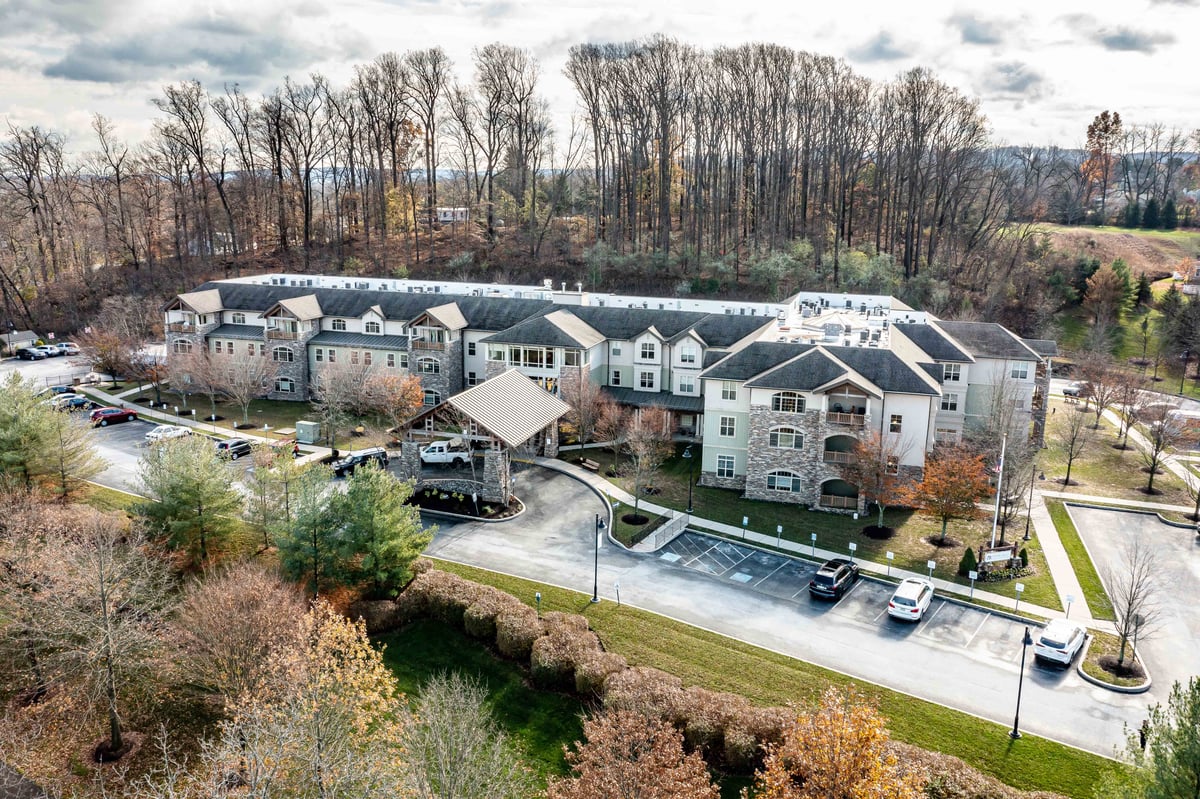
Spring Mill offers a comfortable Phoenixville setting with beautiful surroundings and access to outdoor areas. Families should ask how those spaces are used safely for residents in SHINE® Memory Care.
These memory care visit questions can help guide the safety discussion:
How are exits monitored throughout the day and overnight?
What happens if a resident becomes disoriented or tries to leave the neighborhood?
How are falls, medication needs, meals, and changes in routine monitored and communicated?
Safety is more than the building itself. It also includes staffing, response time, communication, and how well the team knows each resident.
4. How Does the Community Involve Families?
Family connection remains important after a loved one moves to memory care. Ask how families are included in planning, updates, visits, and conversations about changing needs.
A strong memory care community should welcome family insight. You know your loved one’s history, preferences, routines, and personality better than anyone. That information can help team members provide more personal support.
Ask whether the community holds regular meetings, shares updates by phone or email, and offers education for families learning more about dementia. Also ask how families can share changes they notice during visits. Open communication helps build trust and makes it easier to respond when needs shift.
At Spring Mill, family involvement is part of the larger SHINE® Memory Care approach, which recognizes that dementia support extends to loved ones as well as residents.
5. What Health and Wellness Services Are Available?
Memory care needs often change over time, so families should ask what health and wellness services are available on-site and which services require outside providers.
Spring Mill offers on-site medical services that may include primary care physician services, podiatry, dental, psychiatry, psychology, hospice, home care services, and outpatient rehab services. These services can help reduce the stress of coordinating appointments in multiple places.
Ask how the community monitors physical and cognitive changes, how medication support is handled, and how families are contacted when concerns arise. This is especially important for residents who have other health needs in addition to dementia.
6. What Is Included in the Monthly Cost?
Understanding costs is an important part of what to look for touring memory care. Memory care often costs more than other living options because it includes specialized support, programming, and oversight.
Ask for a clear explanation of monthly fees, what is included, and what may cost extra. Families should also ask whether costs change when needs increase.
Important cost questions include:
What services, meals, programs, housekeeping, transportation, and support are included?
Are there additional fees for higher levels of support, medication assistance, supplies, or outside services?
How often can pricing change, and how are families notified?
Spring Mill offers maintenance-free living, chef-prepared meals, housekeeping, transportation, and programs that support connection. Reviewing the full pricing picture can help families compare value, not just monthly cost.
7. Does the Community Feel Like the Right Fit?
Facts matter, but so does the feeling of the tour. Pay attention to whether the community feels calm, clean, welcoming, and respectful. Watch how residents spend their time. Notice whether team members greet people by name and whether the environment feels comfortable for someone living with dementia.
Spring Mill is located in scenic Chester County, just outside Philadelphia, with convenient access to Phoenixville’s Bridge Street district, Valley Forge National Historical Park, shops, cafés, and walking trails. For families in Phoenixville and nearby areas, that local familiarity can make visits and involvement easier.
The best choice is the one that fits your loved one’s needs, personality, history, and comfort. Use this memory care checklist for families as a starting point, then trust what you observe during each tour.
FAQ: Touring a memory care Community
What Should I Bring on a memory care Tour?
Bring your questions, a notebook, your loved one’s basic care needs, current routines, and any concerns you want to discuss.
How Long Should a memory care Tour Take?
Plan enough time to see the neighborhood, meet team members, review pricing, ask questions, and observe resident interactions.
Should My Loved One Join the Tour?
It depends on their comfort level. Some families tour first, then bring their loved one later for a shorter, calmer visit.
What Is the Most Important Question to Ask?
Ask how the community personalizes support as dementia changes over time. The answer can reveal a lot about training, communication, and daily care.
Choose With Clarity and Confidence
Touring memory care can feel emotional, but a thoughtful list of questions can help families focus on what matters most: safety, dignity, daily support, connection, and trust. The more specific your questions, the easier it becomes to compare each community with your loved one’s needs in mind.
Schedule a personal tour of Spring Mill to explore SHINE® Memory Care, programs, pricing, and support options in Phoenixville, PA.